IT'S TIME
Donate today
to give kids
like Thomas
the chance to
live long,
happy lives
Share page
It's time to change the future for all children with dementia
"When you hear ‘dementia’, you picture old age. You picture grandparents.
You don't picture a child.
You don't picture someone losing words they have just learned. Forgetting how to walk to a room they've lived in their whole life. Losing the ability to chew. To swallow. To recognise the brother who used to chase them around the backyard.
But that is what childhood dementia is. A progressive, relentless, and at the moment untreatable, brain decay that begins in childhood."
- Jack, Thomas's big brother
It kills as many children as childhood cancer. Half of these children won’t see their 10th birthdays. Most won’t reach adulthood.
And until very recently, almost no one in this country had ever heard of it. I hadn’t. Until it came for my brother.
My name is Jack Mooney. Thomas Mooney was my little brother. He died 2 years ago from childhood dementia, a disease that took everything from him, long before it took his life.
Before any of this… Thomas was just Thomas.
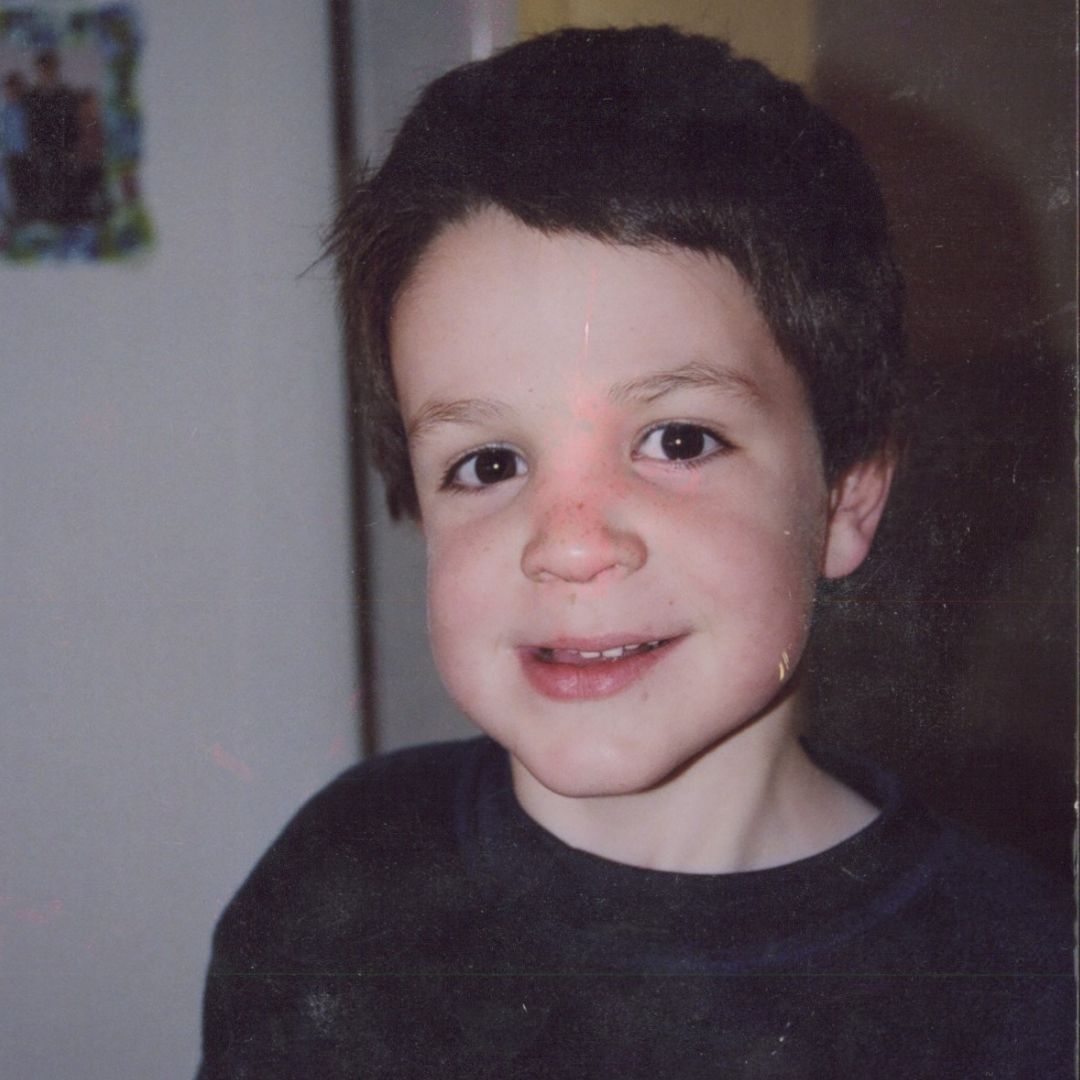
He was a smart, inquisitive, funny, cute, and incredibly kind little boy.
He always had this beautiful smile, with those big, chubby cheeks. He was the kind of person you could hug at any moment without it ever feeling awkward. He genuinely adored love and affection and it was mutually shared.
He loved fast cars. He loved spending time with his family. And all kinds of different music. He loved being outdoors, watching a movie or a documentary, like David Attenborough.
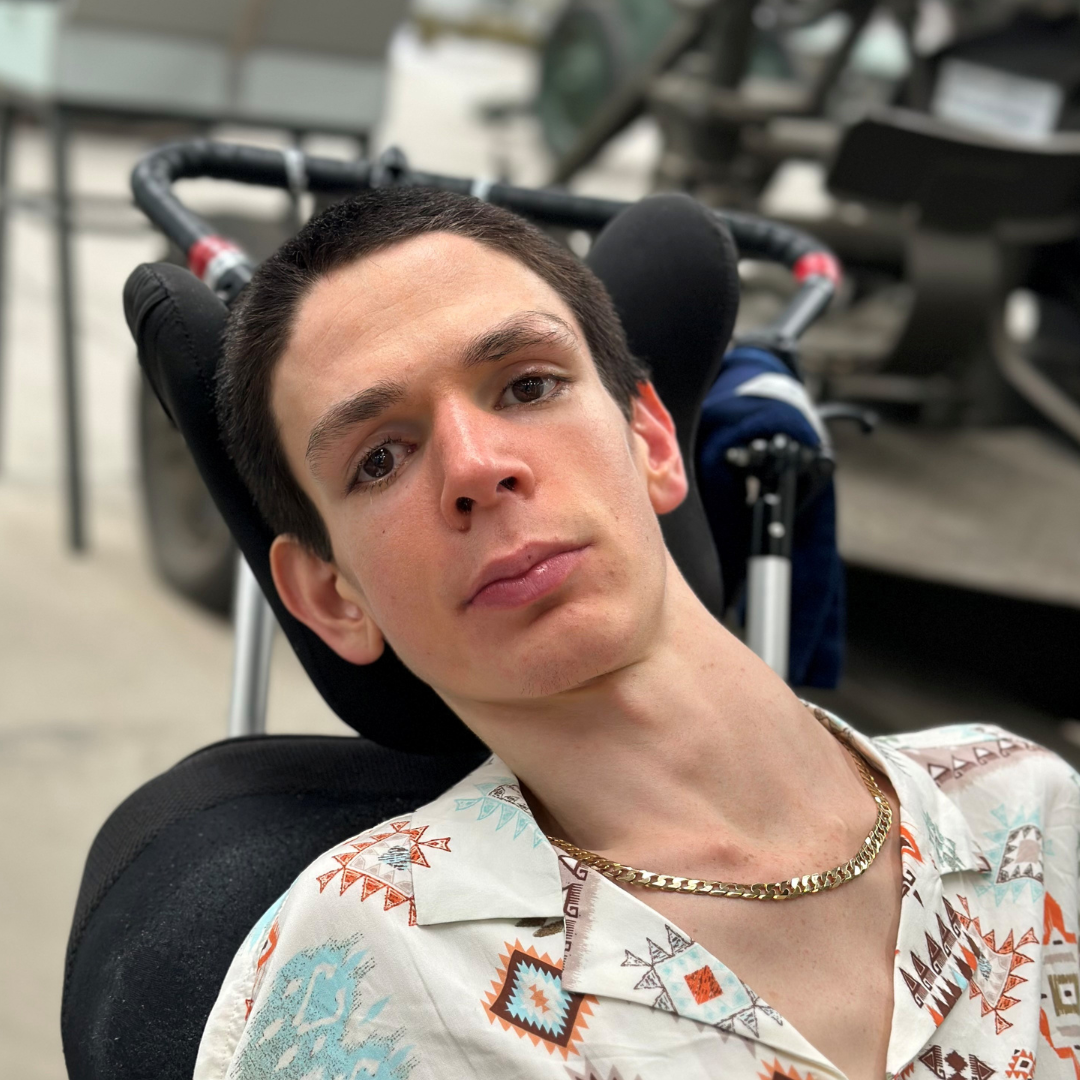
That’s the brother pictured here. The one I want you to know.
Not ‘a child with a rare neurodegenerative condition’. Not a statistic.
A young boy. With a personality. With a future that the rest of us just assumed would keep growing.
For a while, it did. And then, slowly… it started to stop.
I can’t tell you the exact day everything changed, because that’s not how childhood dementia works. It doesn’t arrive.
It creeps.
It’s a thousand small thefts before it becomes one enormous one.
At first, you just see the decline as slow. Every kid forgets things. Every kid stumbles. But then the things he used to do without thinking, like speaking in full sentences, climbing the stairs, holding a spoon, finding his own bedroom, all start to come to a stop.
There were countless moments when we just wanted to go out as a family. But we couldn’t, because we had someone who, through no fault of his own, would snatch and grab things that didn’t belong to him. Who would go to the toilet whenever he felt like it. Who would walk anywhere, including busy roads, if we let him.
None of it was him. This is the part I wish more people understood.
Childhood dementia isn’t dramatic the way illness is on television. It is quiet. It’s a child reaching for a word that isn’t there anymore. It’s your little brother looking at a toy he used to love and not remembering what to do with it.
And it does not stop. There is no plateau. There is no medication that holds the line.
By the end, the things most of us never even think about, like sitting up, swallowing, knowing the people in the room with you, those were the things being taken from him.
And despite all that, he still woke up every morning, with a smile on his face, ready to take the day on.
What no family should have to do alone
The other thing I want you to know is that our family didn’t navigate this alongside a system that was ready for us.
We largely navigated it alone.
Because childhood dementia has been, until very recently, invisible.
There was no clear pathway. No specialist team waiting at the end of the diagnosis. No handbook. Often no one, even in a room full of medical experts, had ever seen it before.
The people trying to help us were kind. But it’s common for families who go through this to hear the same line:
“Well, you know more about this than I do…”
Which is the line that always lets you down the most. When they’re potentially the only person who could find you some relief, in an otherwise nightmarish situation.
And they don’t have a clue.
That’s the part I can’t let go of.
Not the disease itself, but the battle in doing it alone. The fact that, on top of everything, families like ours had to completely transform into being full-time carers, advocates, case managers and translators.
We can’t change what happened to Thomas.
We can’t give him back the words he lost. Or the future that should have been his.
But we can ensure families coming after ours aren’t alone like we were.
That is why I ask you to please join with us and support Childhood Dementia Initiative’s tax appeal.
Every dollar you give goes directly to:
- The right care, where and when it’s needed
- Ensuring no family walks this road alone
- A future with hope, treatments and answers
With gratitude and hope,
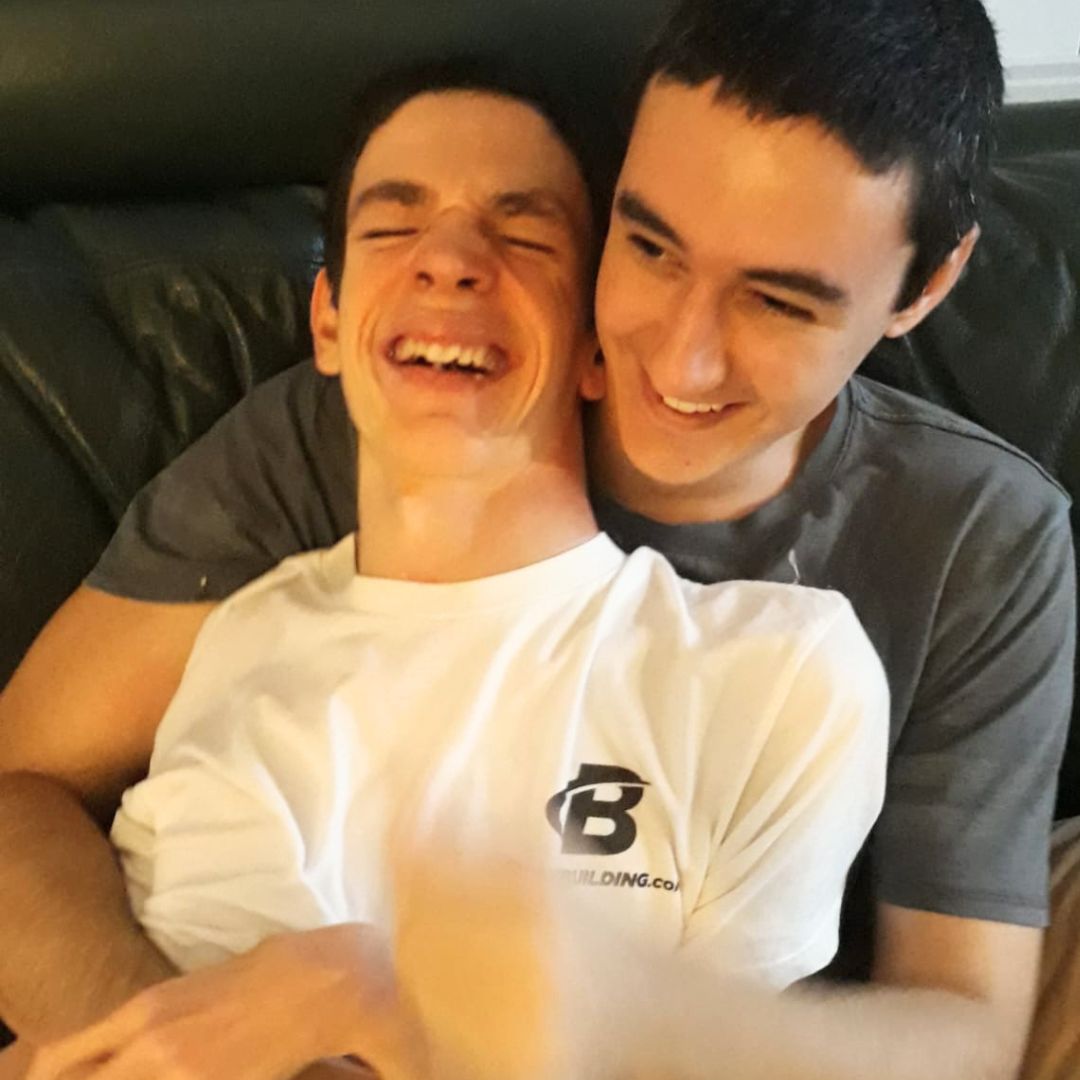
Jack (pictured here with Thomas)