WE CAN'T WAIT
Our clocks tick faster
Their time is short.
Your impact isn't.
Make a donation today
 Matt Cooper just donated $55.95
 Tiffany Hartel just donated $106.75
 Margot Black Phelps just donated $106.75
- Anonymous just donated $40.48
 Tracy Weller-McCormack just donated $106.75
- Julie Laws just donated $106.75
- Chris Clancy just donated $55.95
- Jackson Koop just donated $55.95
- Anonymous just donated $23.81
- Liv Unmack just donated $23.81
- Faye Du Preez just donated $34.40
- Janene Kennedy just donated $106.75
- Anthony Scognamiglio just donated $106.75
- Lisa Durso just donated $128.10
- Lily Lim just donated $106.75
- Lauren MLSP just donated $17.87
- Cecile just donated $55.95
- AXIA just donated $216.50
- Piers Brogan just donated $50.00
 Anonymous just donated $561.00
We Can’t Wait: support children and families impacted by childhood dementia
Children with childhood dementia can’t wait for a diagnosis, for research, for treatments, for support behind every family.
Childhood dementia is caused by more than 145 conditions that progressively damage the brain. Half of children with childhood dementia die before they turn 10. For most children, there is no treatment available to them.
But the science is here. New medicines show that early diagnosis and treatment can change the outcome for a child. What we need now is for our systems – the people, the processes and the policies – to catch up.
Every child deserves that chance. Families shouldn’t be told to go home and make memories when the science to help their child already exists.
Your gift helps us push for earlier diagnosis, faster development of and access to new treatments, and support that stands beside every family when they need it most.
Children with childhood dementia can’t wait. Please give today.
Meet some of the many children who have shaped why this work, changing systems, health and care, is so urgent. Thank you to these beautiful children and their courageous, generous families for sharing with us.
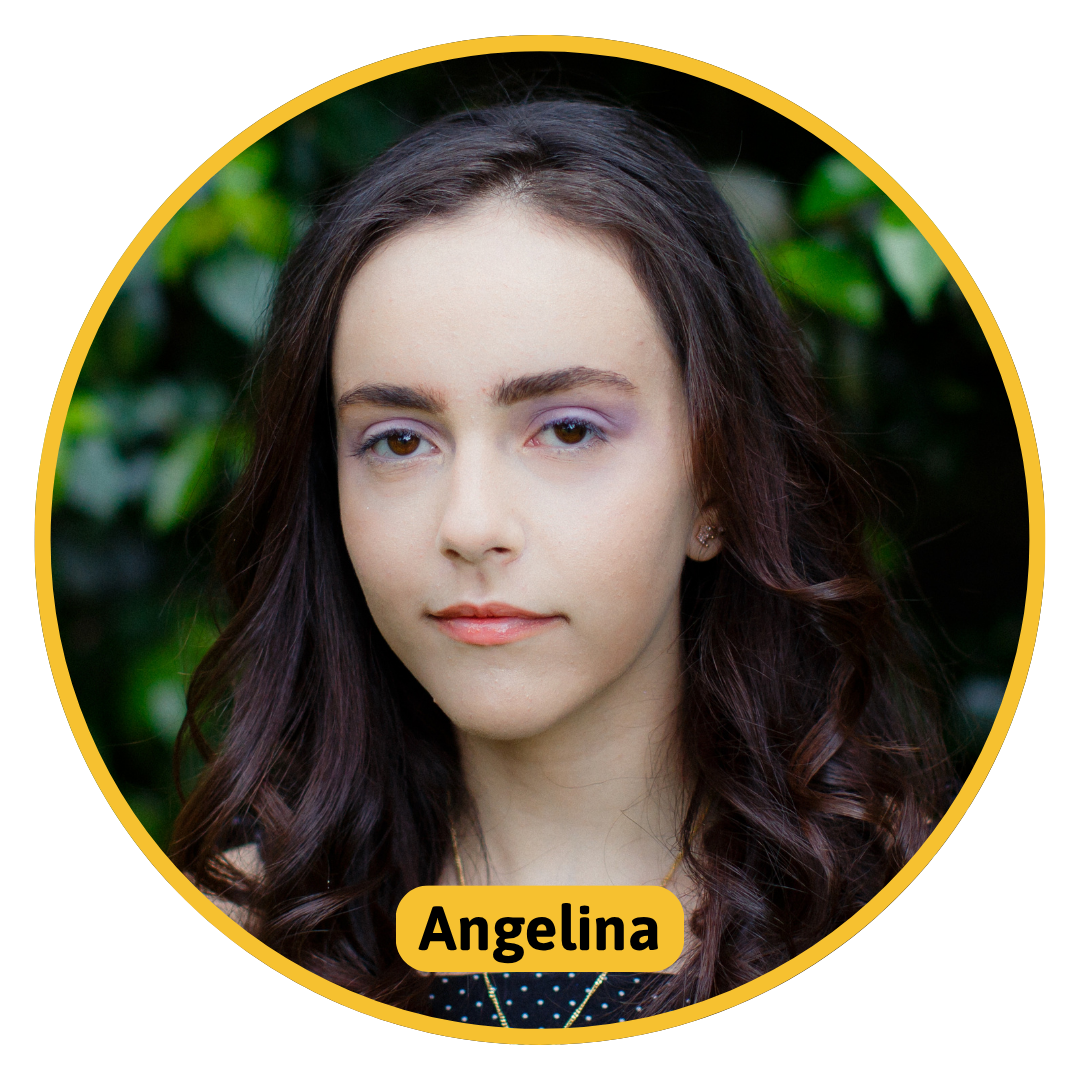
Niki, Angelina's mum
Nicole, Toby's mum
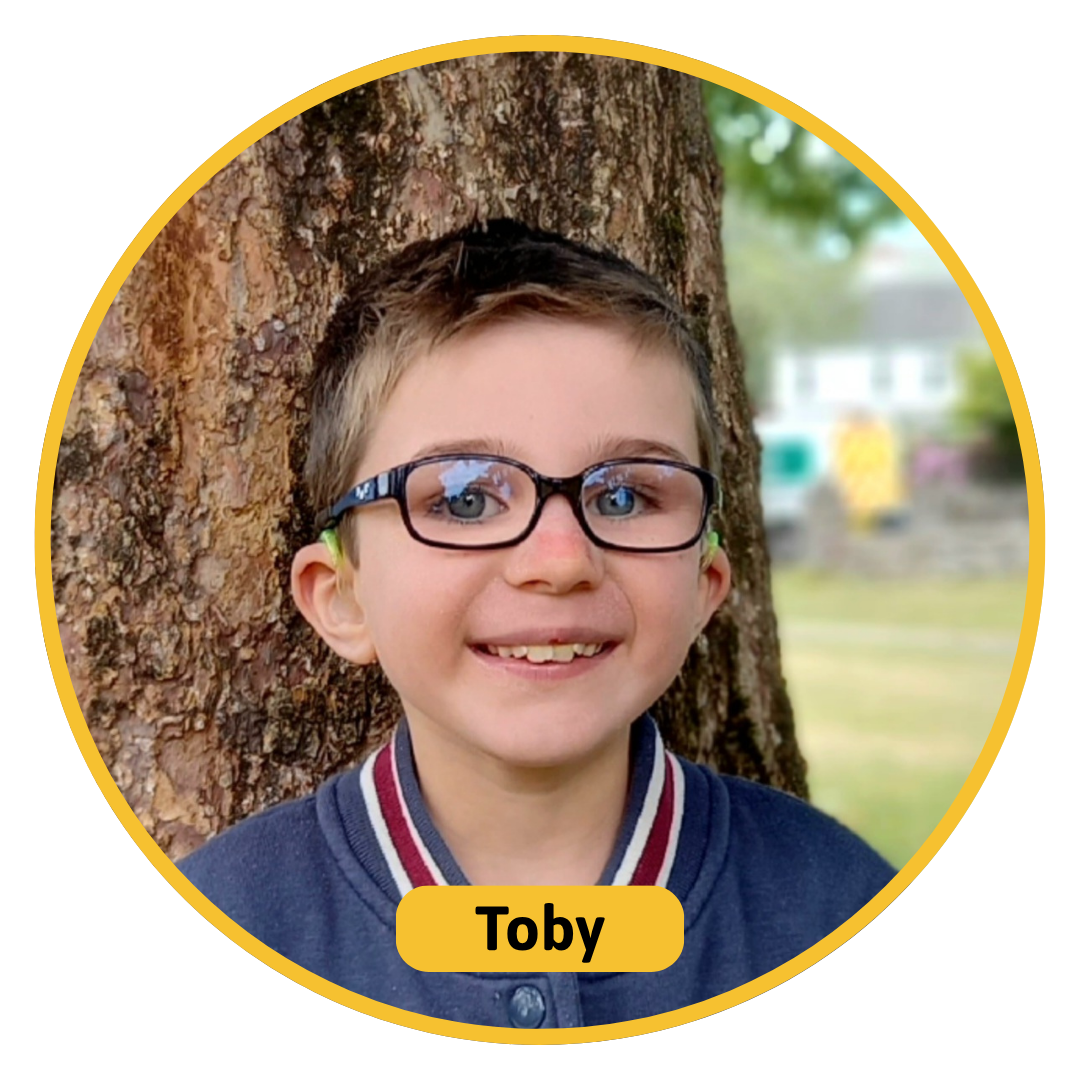
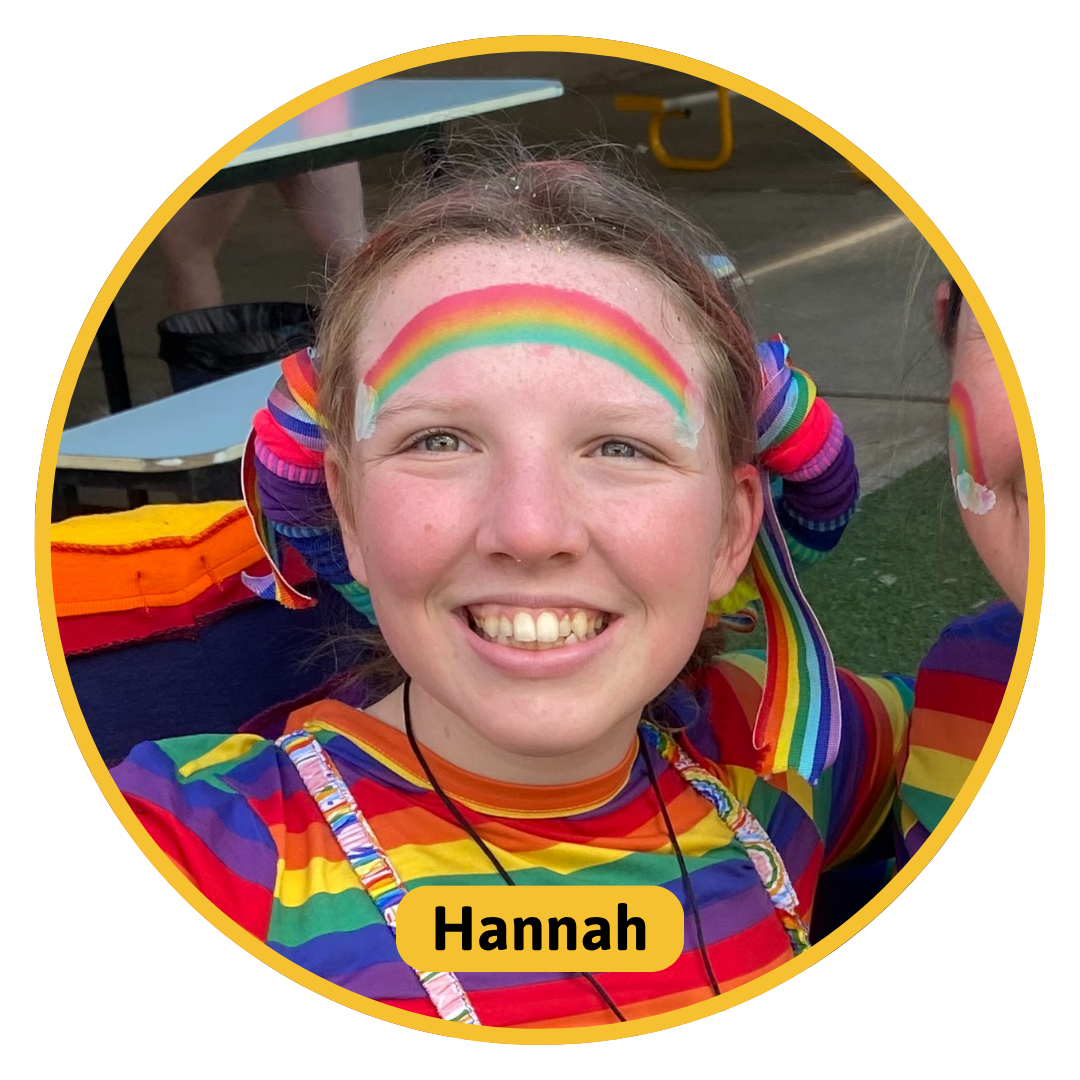
“I see photos from just a year ago, when we moved to our new home and thought my daughter, Hannah, would be able to walk to school every day. She's now in a wheelchair. Every photo is a reminder of how much we are losing to childhood dementia."
“The line between the tears and the laughter is so paper thin. If I don't try and see the joy I will be consumed by the grief."
Rachel, Hannah's mum
We Can't Wait. Childhood dementia steals everything.
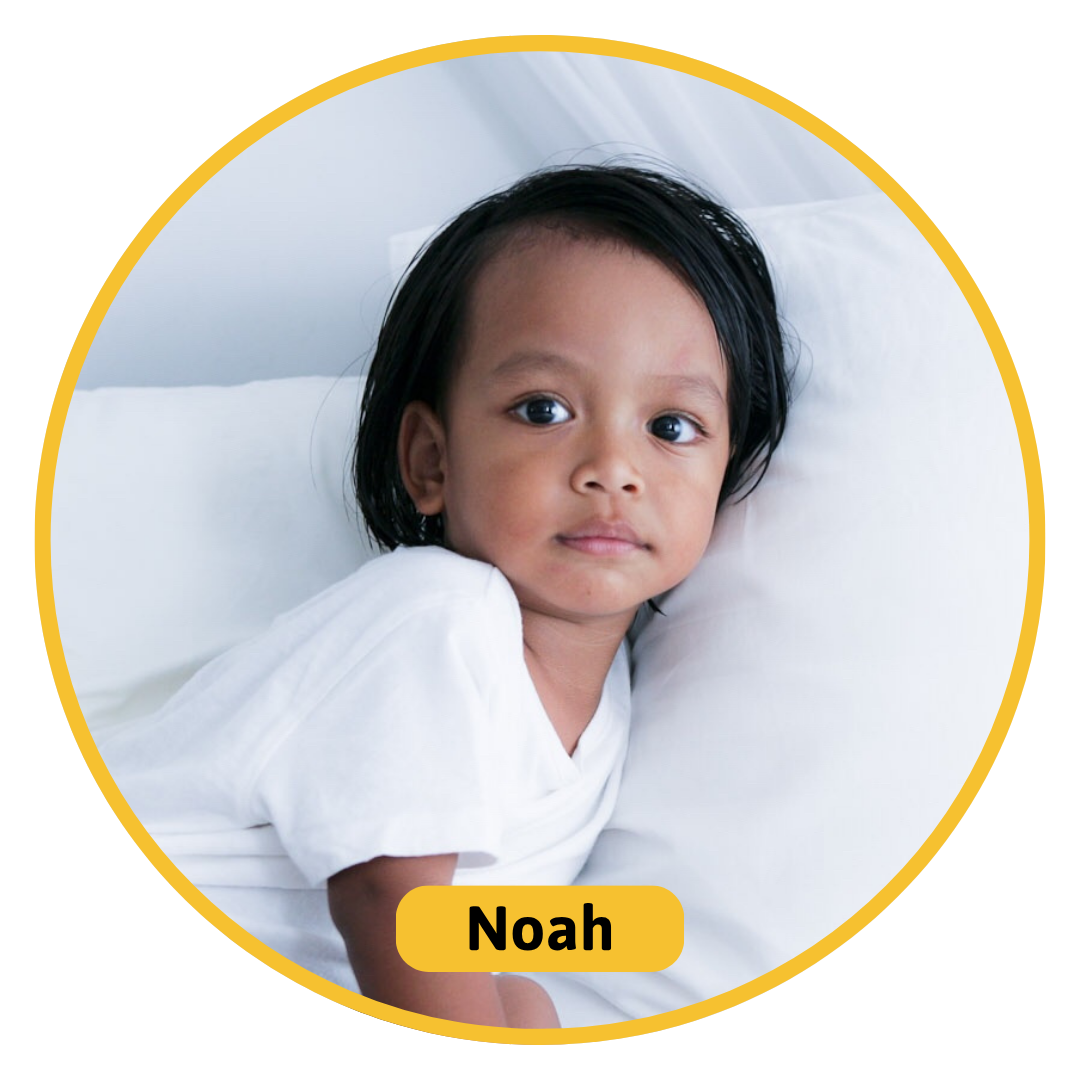
Noah lived with Niemann-Pick disease type C. He died aged 8.
Noah was from the idyllic island of Bali. He was fostered at 11 hours old and adopted by Geoff and Jane, his Australian family, who were living and working in Bali at the time. He was a happy and healthy baby who met all his milestones. He spent his days going to the beach, riding horses, and playing with friends and his beloved giant groodle, Nyame. His world was full of joy and laughter.
“As kids grew up, Noah sort of grew down. I wish he could have kept running and playing with his cousins. I wish he could have kept playing with his friends. I wish that I didn't have to understand that my son will never grow up or grow old."
Jane, Noah's mum
We Can't Wait. Childhood dementia takes, and takes, and takes.
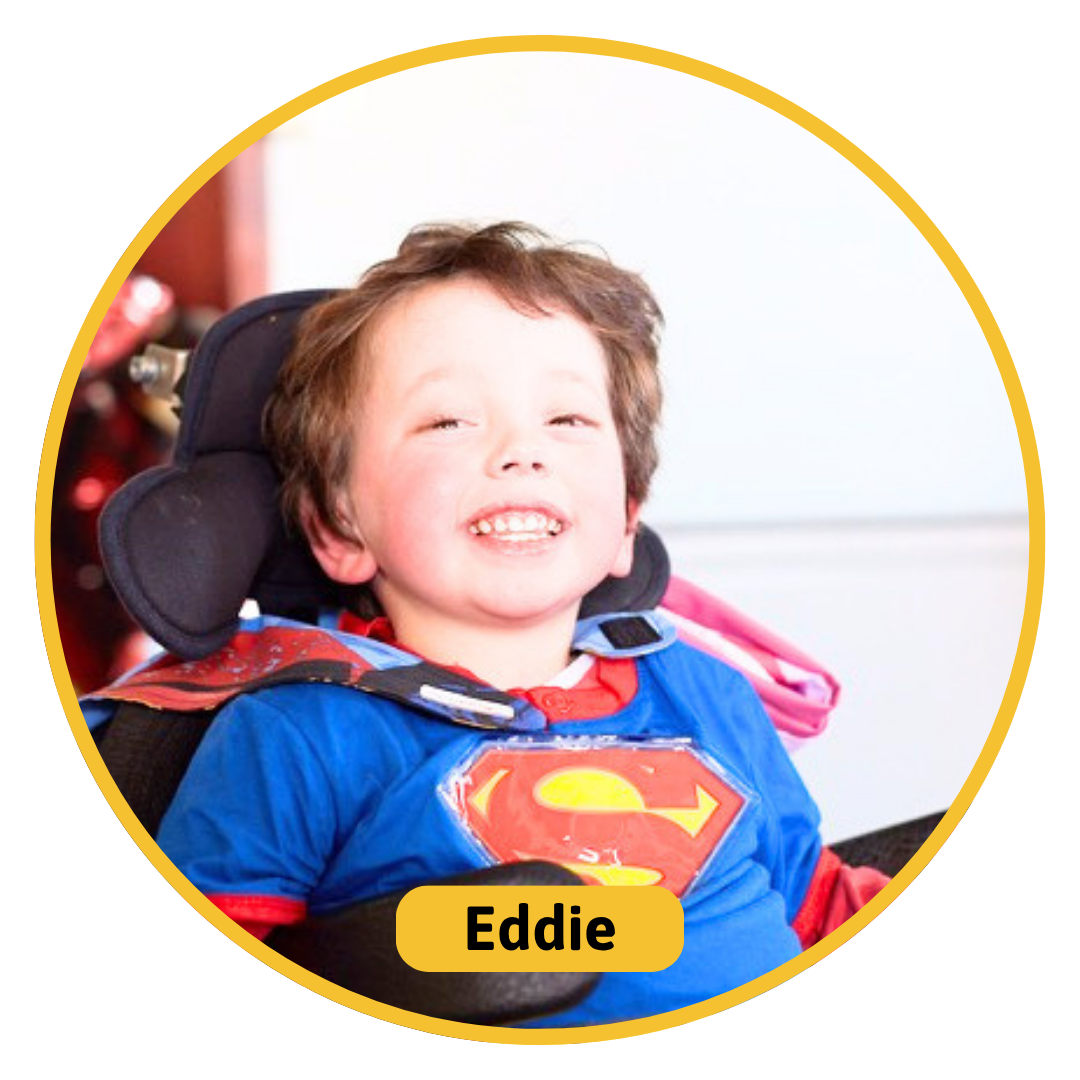
Ali, Eddie's mum
Jack, Thomas's big brother
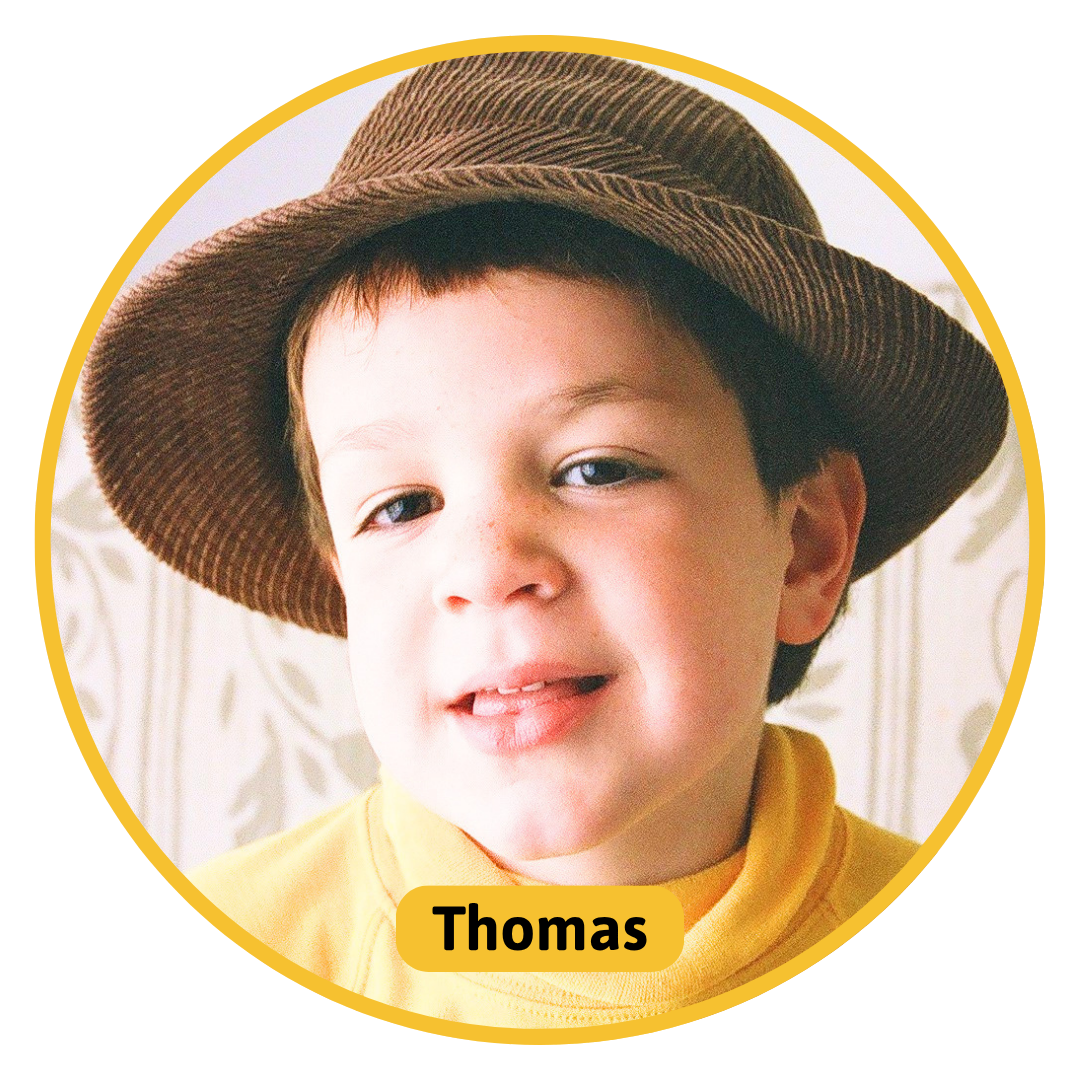
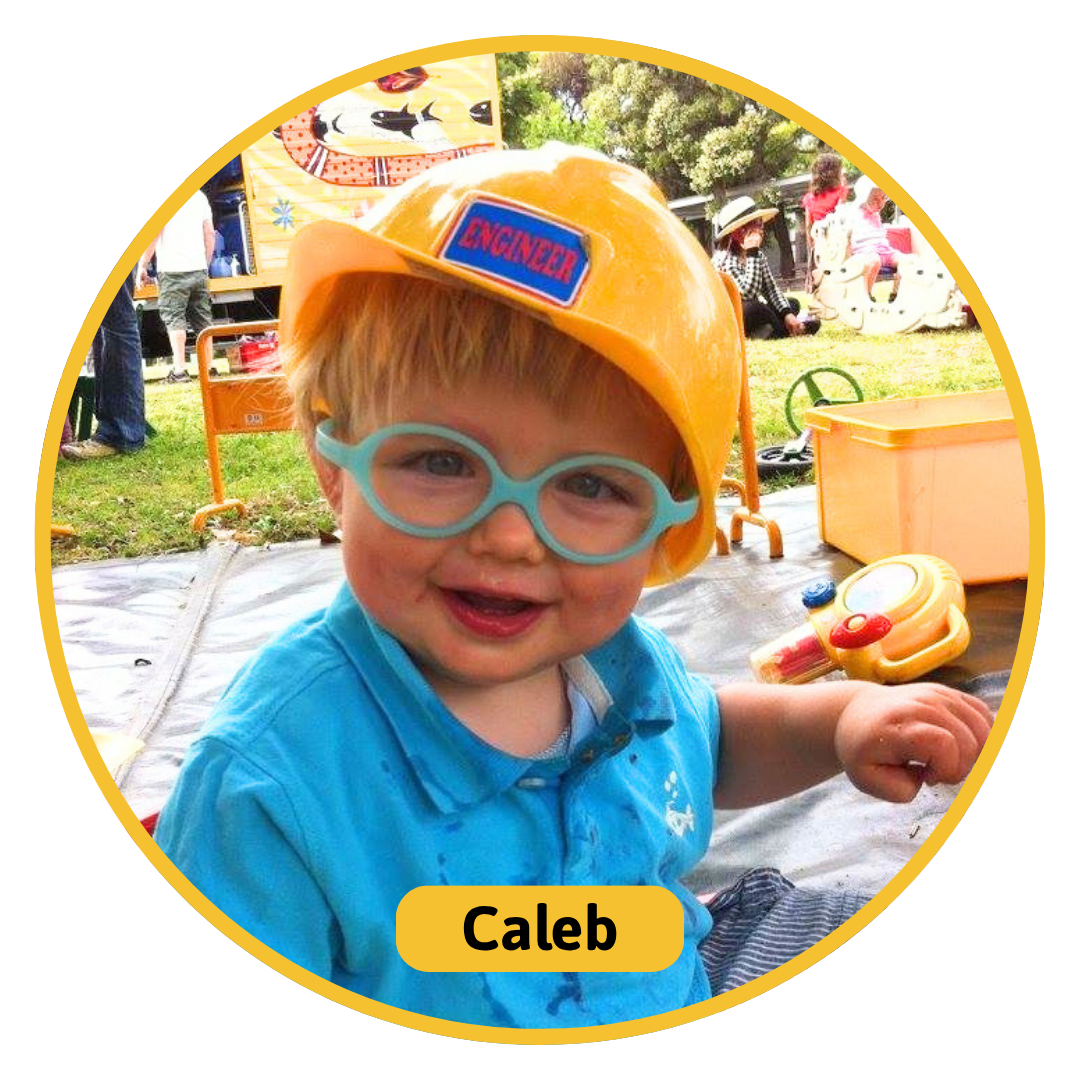
“Hope for a family like ours looks different. Hope that your child is not going to suffer. Hope that if he is in pain you will be able to tell us and you'll be able to treat it. Hope that his life will matter, and that it will have meaning. Hope that he can still smile. Our hope is different."
Sam, Caleb's dad
We Can't Wait. We need hope. We need action now.