Information for Professionals
Families affected by childhood dementia count on you for informed, consistent and compassionate support. Whatever your role, you can make a real difference.
This section gives you information and resources for supporting children affected by childhood dementia and their families. It's for health professionals, disability support professionals, educators, and anyone else who supports these families.
Resources for your role
Find more practical guidance and information tailored to the way you work with children and families affected by childhood dementia. Select your sector below.
What is childhood dementia?
Childhood dementia is an umbrella term for more than 145 rare genetic conditions that cause progressive cognitive decline in children.
This is different from the dementia most people associate with older adults. It begins before the age of 18, gradually affecting a child's ability to think, learn, communicate, move and play. One in every 2,900 babies is born with a condition that causes childhood dementia. In Australia, an estimated 1,600 people are living with these conditions, and there is currently no available cure. How childhood dementia presents, and how quickly it progresses, is different for every child.
Watch the videos below to learn more: Professor Kenneth Nunn, paediatric neuropsychiatrist, uses an analogy to explain childhood dementia, and our animation covers the basics of its causes, symptoms and impacts.
Childhood dementia facts and statistics

1 in every 2,900 babies
is born with a condition that causes childhood dementia

CHILDHOOD DEMENTIA RESULTS FROM PROGRESSIVE BRAIN DAMAGE CAUSED BY 145+ GENETIC CONDITIONS

Children with dementia experience:
- Memory loss
- Confusion
- Trouble concentrating, understanding, learning and communicating
- Personality changes
- Severely disturbed sleep
- Behavioural issues such as hyperactivity
- Emotional issues like anxiety and fear

HALF OF ALL CHILDREN WITH DEMENTIA DIE BY THE AGE OF 10.

Childhood dementia is progressive.
Children lose their ability to talk, walk, read, write and play, and eventually the body loses its ability to function.

Symptoms can vary and progress over months, years or even decades, impacting both the child and their family.

Estimated in Australia every year:
91 deaths in people with childhood dementia
92 deaths from childhood cancer (0-14 yrs)

Estimated in the USA every year:
1,077 deaths in people with childhood dementia
1,050 deaths from childhood cancer (0-14 yrs)

Estimated in the UK every year:
204 deaths in people with childhood dementia
260 deaths from childhood cancer (0-14 yrs)
Statistics from: Elvidge KL, Christodoulou J, Farrar MA, Tilden D, Maack M, Valeri M, Ellis M, Smith NJC; Childhood Dementia Working Group. The collective burden of childhood dementia: a scoping review. Brain. 2023 Jul 20:awad242. doi: 10.1093/brain/awad242. PMID: 37471493. https://doi.org/10.1093/brain/awad242
Using the term 'childhood dementia'
Families have found 'childhood dementia' the clearest way to communicate their child’s condition to their care team and the wider community. While many found the term confronting at first, it quickly became the clearest and most useful language they had.
As a professional, you're likely to encounter the term in care plans, referrals, assessments and conversations with families. Use it to help convey the complexity and seriousness of a child's needs quickly and accurately to other professionals and services. When speaking with the family, follow their lead - some use 'childhood dementia' readily, while others may still be adjusting to a diagnosis and prefer the specific condition name. If you're unsure, ask.
If you are an education or disability professional, we have guidance on using the term for your specific role. Visit the Education or Disability page.
Childhood dementia: it's time for a new approach
Looking at childhood dementia conditions together gives more visibility to the needs of this group of children. It also creates more chances to improve support services and research.
Childhood Dementia Initiative works with professionals who support children and families to drive this change. It puts family experiences and evidence at the centre of improvements to care and policy.
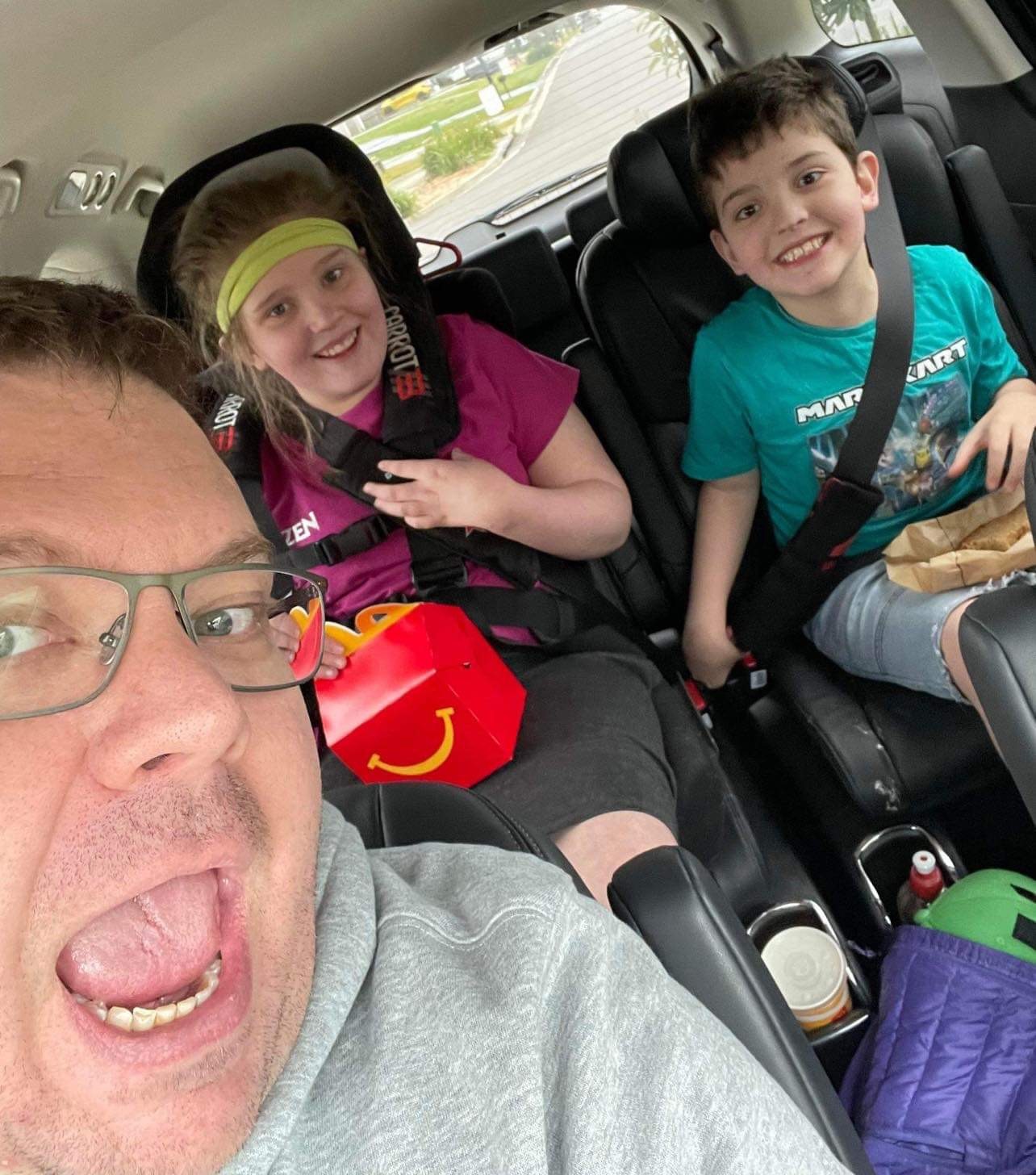
“I think the key thing for everybody is to realise these kids by themselves are almost forgotten. More awareness can make some really massive differences to the kids' lives and the consistency of support that they receive, and help them live their best lives.”
John, dad to Eleanor and Joshua
Families' lived experiences
Every childhood dementia diagnosis affects a whole family. They often face late diagnoses, care that isn't joined up, and ongoing loss. Their experiences show real gaps in the support they get from health, disability and education services. Hear directly from families about what they've been through, and what they need from the professionals working with them.
"I wish that it wasn’t so lonely for kids with dementia, or so isolating for families when their child has dementia. I wish people understood what we are going through."
Jane, mum to Noah


5 requests from families: a guide on how to work together
This information sheet summarises 5 major themes from focus groups and interviews with parents and carers. These were held in 2021 and 2022 to find out how health and care professionals can work well with families.
Supporting families of children with childhood dementia
Childhood dementia affects the whole family, not just the child - parents, siblings and extended family all carry the impact of a diagnosis, including anticipatory grief that can begin years before a child's death.
This video shares practical guidance for professionals working with these families, from treating parents as experts on their own child, to understanding the condition's complexity and responding to the emotional journey families face every day.
Watch to learn how a considered, informed approach can make a real difference to the quality of care and support a family receives.
Communicating with families
Families affected by childhood dementia often carry the weight of previous difficult conversations around diagnosis, hospital admissions, or the progression of their child's condition. This history can shape how they experience every conversation that follows. How you approach these moments can affect a family's sense of safety, trust and control.
This resource offers guidance for talking with families affected by childhood dementia. It covers how to prepare for a conversation, what questions help, and what to say - and what to avoid - when a family is struggling. You can use this guide to build trust and communicate with confidence, whatever your role in a child's care team.

Childhood Dementia Courses
Two courses are now available to help you understand childhood dementia and support the children and families living with it. Both are free.
Introduction to Childhood Dementia is a quick, practical overview you can complete in just 30 minutes. It’s run by Dementia Training Australia, in collaboration with Childhood Dementia Initiative.
Understanding Childhood Dementia is a world-first, in-depth training created by the Wicking Dementia Research and Education Centre in collaboration with Childhood Dementia Initiative.
Whether you have 30 minutes or want to explore in depth, there’s a course to suit your role and schedule.

Childhood Dementia Project Echo® Community of Practice
Join the online community of health, education, disability and care professionals sharing and building knowledge on optimal care for children with dementia.
A place for health, education, disability and other care professionals to connect with experts and learn together about care for children with dementia.
The Childhood Dementia Community of Practice is a free, supportive, educational platform. It is designed to connect you with subject-matter experts and other professionals to share knowledge and experience on caring for children with dementia.
Join the community that's creating change
Subscribe to our newsletter and join the growing community of health, disability and education professionals who are learning more and contributing to solutions. We will keep you up to date on emerging research and insights, the Community of Practice and how you can take part, information resources for professionals working with children and families, webinars, information sessions and in-service opportunities.
Resources for your role
Find more practical guidance and information tailored to the way you work with children and families affected by childhood dementia. Select your sector below.